Owner-Operator or Company Driver: Who Pays for Fuel, and What Is Left of the Rate
Flat pay, per mile or a percentage of the rate, and who buys the fuel. The same load can leave very different money for the carrier and the driver.
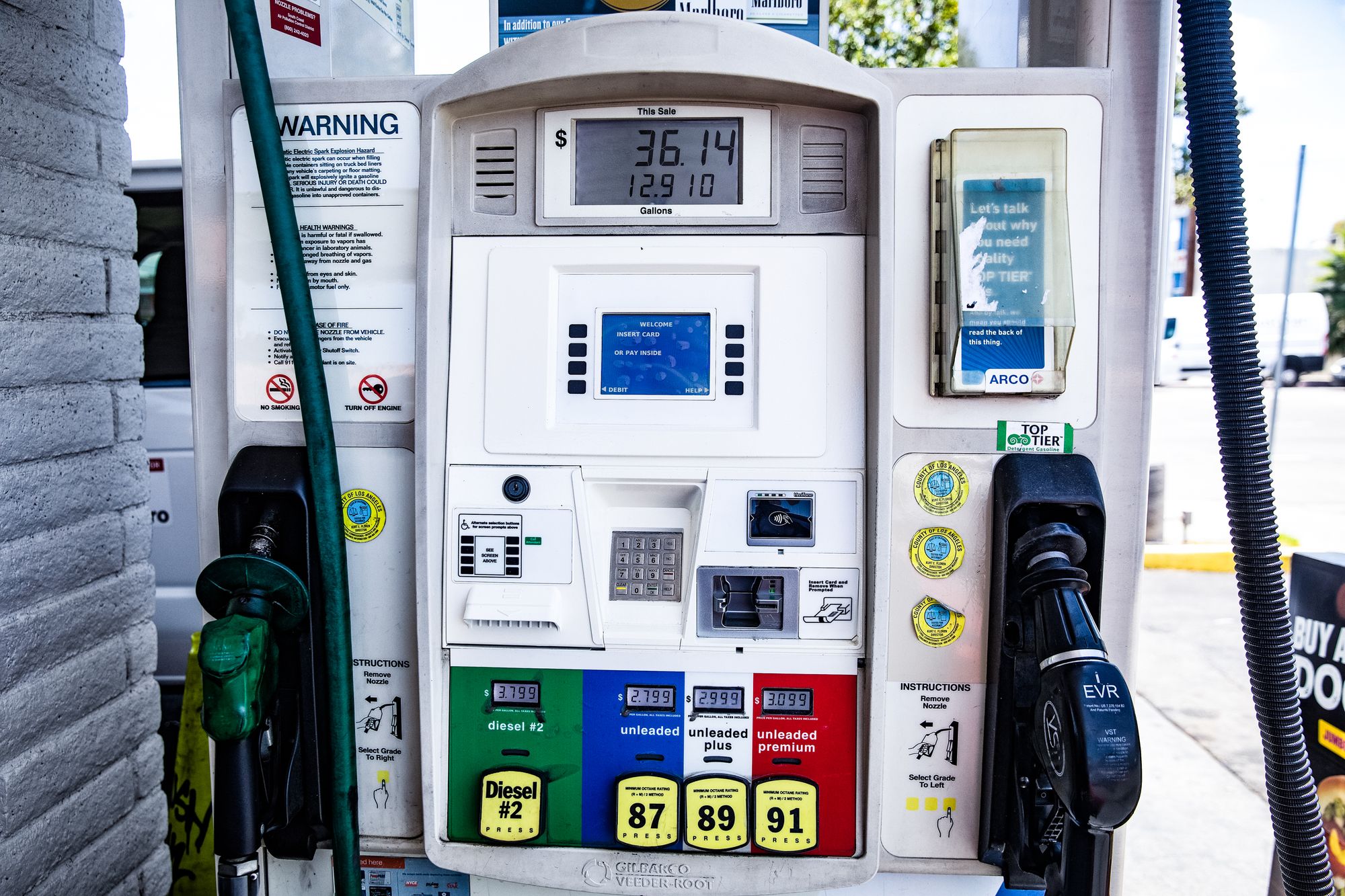
When a dispatcher or a small carrier looks at a load, the question is not only "does it pay?" but "who gets what?" The answer depends on two things: how the driver is paid, and who buys the fuel.
Three common ways drivers get paid
- Per mile. A set amount for every mile, for example $0.65. Simple, and it pays the driver for empty miles too if you count them.
- Flat per load. A fixed amount for the trip, for example $900. Common for regional runs and dedicated lanes.
- Percentage of the rate. The driver gets a share of what the load pays, for example 88%. This is the usual setup for owner-operators leased to a carrier or working with a dispatcher.
Who buys the fuel changes everything
With a company driver, the company buys the fuel. Fuel and driver pay both come out of the rate, and the company keeps the rest.
With an owner-operator on percentage pay, the driver usually buys the fuel. The company keeps its share of the rate and does not pay for fuel at all. The owner-operator pays fuel out of their share.
One load, two setups
Take a $2,400 load of 971 total miles, with about $904 of fuel at this week's prices.
Company driver at $0.65 a mile: the driver earns about $631. The company pays $904 for fuel and $631 for the driver, and keeps about $865.
Owner-operator at 88% who buys the fuel: the owner-operator's share is $2,112. After about $904 of fuel, they keep roughly $1,208. The company keeps the other 12%, or $288, and pays no fuel.
Neither setup is better on its own. What matters is that both sides can see the numbers before the load is booked, so nobody is surprised when the settlement comes.
Questions to settle up front
- Percentage of what? Agree whether the percentage applies to the linehaul only or to the full rate including fuel surcharge and extras.
- Are empty miles paid? On per-mile pay, decide whether deadhead counts.
- Who pays detention, lumpers and tolls? Write it down. These are where most settlement disputes start.
- Which fuel price? For planning, use the regional weekly average or the fuel card price the driver actually pays.
In the Haulock Load planner, pick how the driver is paid (flat, per mile or a percentage of the rate) and tick "Driver pays for fuel" for owner-operators. You see what your company keeps and what the driver keeps after fuel, side by side, before you book the load.